
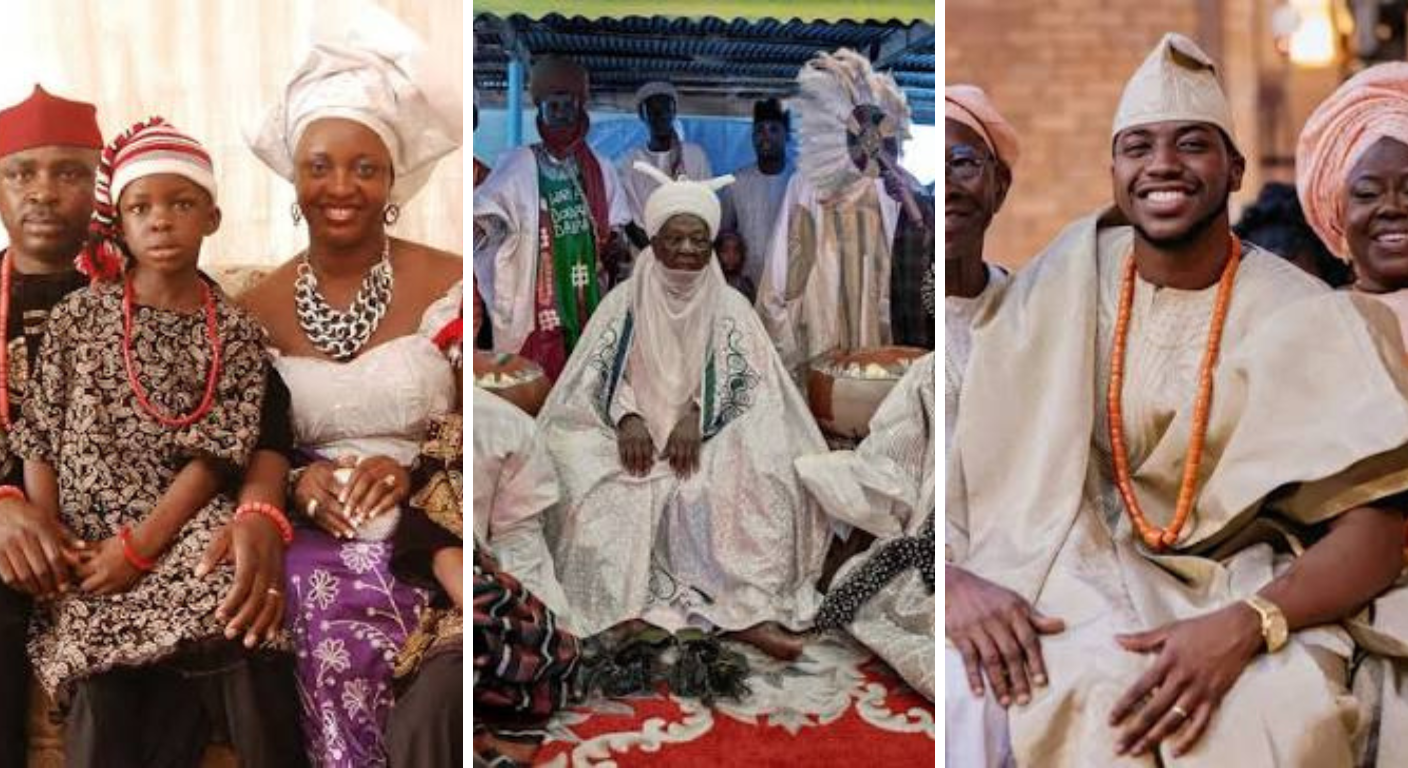
For years, I have seen the same question spark heated debates online and offline: which is the richest tribe in Nigeria? It comes up on social media, in markets, at family gatherings, and even in serious economic discussions. Many people expect a single clear answer. What I found after deep research is that the truth is far more layered and far more interesting.
I went into this topic expecting numbers that would point clearly to one ethnic group. Instead, I found that wealth in Nigeria does not sit neatly inside tribal boundaries. It flows through cities, industries, access to education, and opportunity. Tribe plays a role in culture and history, but it does not own wealth.
Understanding what people really mean by “richest tribe” is the first step. Some people mean the tribe with the most billionaires. Others mean the tribe most visible in business. Some mean average income, while others focus on control of major industries. These meanings often get mixed together, and that confusion fuels arguments.
You might also like
Economic data from the National Bureau of Statistics shows that wealth in Nigeria concentrates more in urban centers than in any ethnic group. Lagos, Abuja, and Port Harcourt hold more financial activity than most rural areas across all regions. This means location matters more than lineage. Opportunity follows infrastructure, markets, and access to capital, not tribal identity. Official figures from the Nigerian Bureau of Statistics and the Central Bank of Nigeria support this pattern, showing that education level and credit access predict income growth better than ethnicity.
From my experience moving through markets in Lagos, Aba, Onitsha, Kano, and Ibadan, one thing is obvious. Where trade is active, money circulates. Where roads, electricity, and customers exist, businesses grow. This is why you see successful entrepreneurs from every major tribe operating side by side in the same cities. Wealth in Nigeria is urban before it is tribal.
The Igbo often come up first in conversations about business success. This reputation has roots. Igbo traders are visible across Nigeria. You find them in spare parts markets, electronics shops, wholesale stores, and manufacturing clusters. Their presence creates a strong impression of widespread wealth.
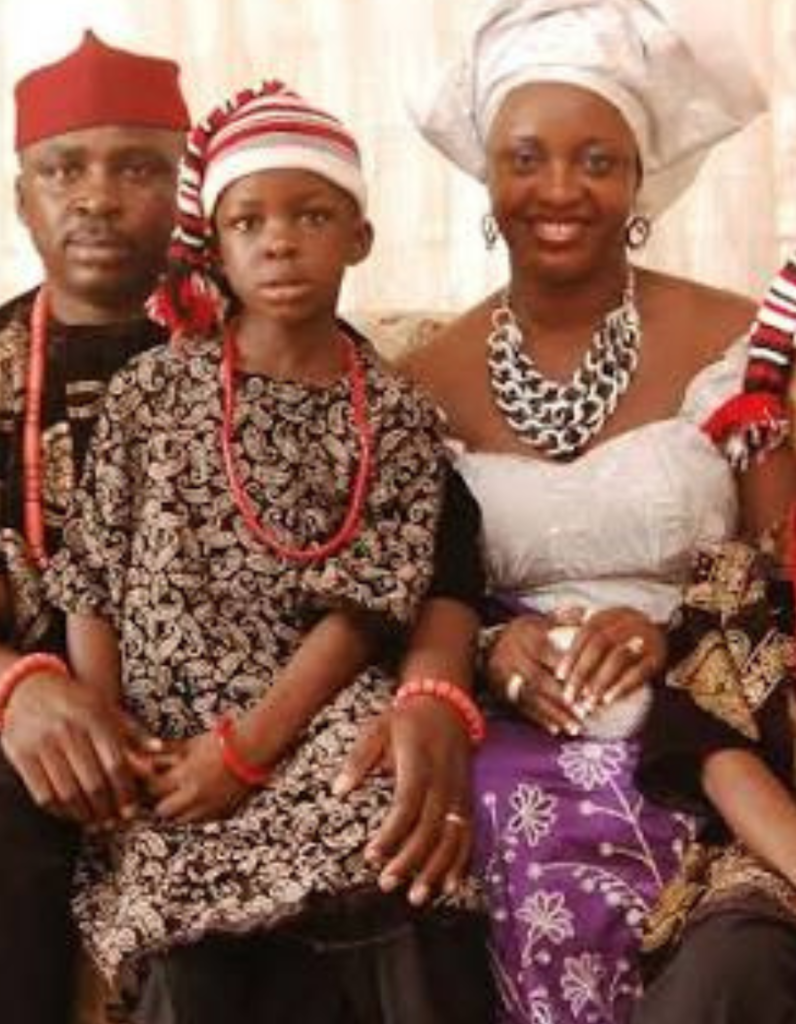
There are clear reasons for this visibility. The Igbo apprenticeship system, known as Igba Boy, trains young people under established traders for years before giving them startup capital. This system produces many business owners. After the Civil War, many Igbo families had to rebuild from nothing. Trade became survival, not ambition. Community savings systems like Isusu also helped provide capital where banks were not accessible.
However, visibility does not equal total wealth. Many Igbo businesses operate on small margins. Thousands of traders making steady income can look richer than a few individuals controlling massive industrial assets. That distinction matters.
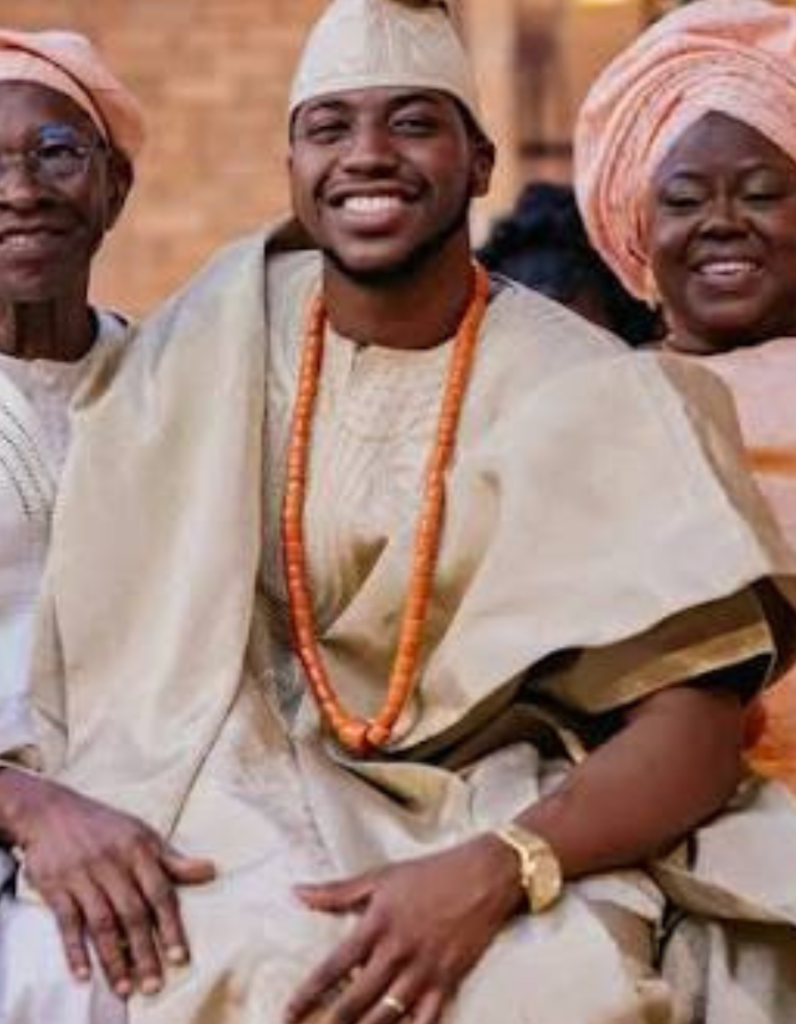
The Yoruba story of wealth looks different. Yoruba influence appears strongly in banking, telecommunications, media, real estate, and oil. Lagos, Nigeria’s commercial capital, sits in the Southwest. This gave early access to ports, finance, and professional services. Many of Nigeria’s earliest indigenous banks started in Yoruba-dominated areas. These structures allowed wealth to grow through assets, equity, and long-term investment rather than daily trade alone.
Some of Nigeria’s most powerful business figures come from this background. Mike Adenuga built wealth through oil and telecommunications. Femi Otedola made his fortune in energy and investments. Folorunsho Alakija built wealth in oil and fashion. These sectors scale faster and create deeper capital pools.
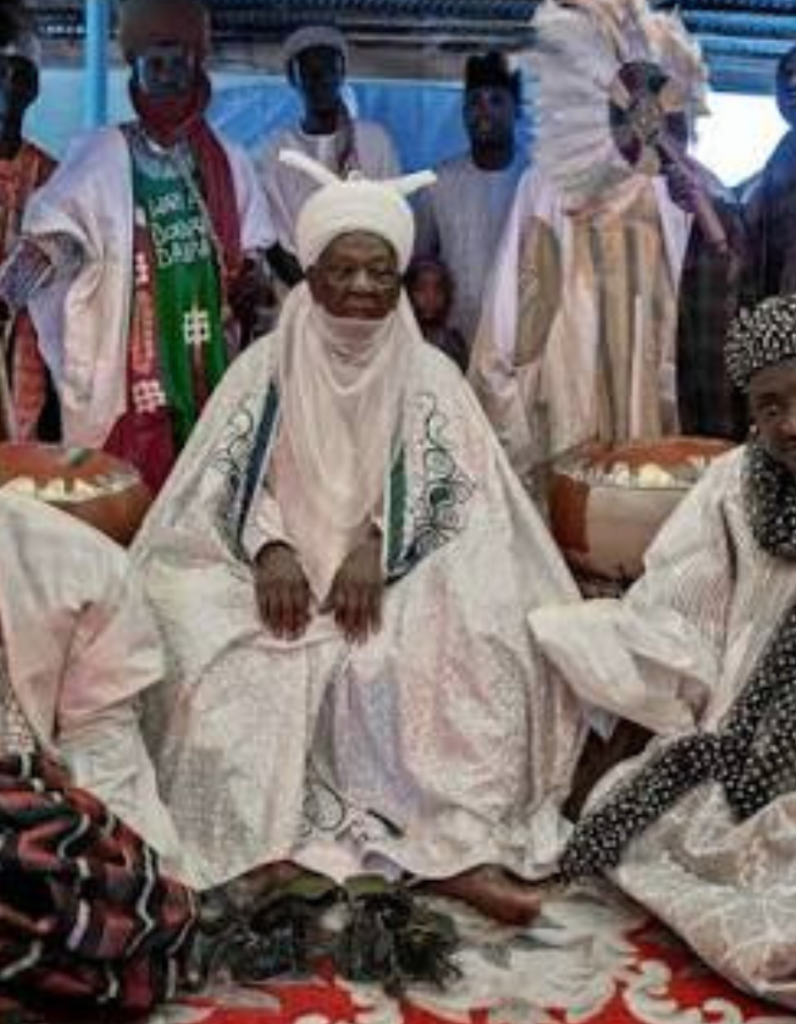
When people ignore the Hausa-Fulani in wealth discussions, they miss a major part of Nigeria’s economic picture. Nigeria’s richest individual, Aliko Dangote, is Hausa-Fulani. His wealth alone reshapes any argument about a single richest tribe. Dangote and Abdulsamad Rabiu built empires in manufacturing, cement, sugar, and industrial production. Manufacturing creates wealth at a level that retail trade cannot easily match.
Northern Nigeria also controls large agricultural value chains. From livestock to grains, these resources feed the nation. When combined with industrial processing, they create long-term wealth. A deeper look into Dangote’s fortune shows how scale, timing, and investment matter more than tribe. A detailed breakdown of his financial growth is available here.
Read Also: The Most Cleanest Tribe in Nigeria: Culture, Habits, and the Truth About Cleanliness
When you list Nigeria’s wealthiest individuals, a clear pattern emerges. Wealth does not belong to one tribe. It spreads across Hausa-Fulani, Yoruba, and Igbo backgrounds, with each group strong in different industries. This diversity weakens the idea of tribal dominance.
Another question that often follows is about poverty. People ask which tribe is the poorest in Nigeria. I find this framing harmful and inaccurate. Poverty in Nigeria is regional and structural, not ethnic. Poor education systems, insecurity, weak infrastructure, and environmental damage create poverty. These conditions exist across all tribes.
Data from the Nigerian Extractive Industries Transparency Initiative shows that oil wealth has not always reached host communities, especially in the Niger Delta. This means even regions sitting on resources can struggle economically. Poverty exists in every tribe, just as wealth exists in every tribe.
Minority ethnic groups are often ignored in wealth discussions, yet many have built strong economic niches. Ijaw, Itsekiri, Urhobo, Efik, and Tiv communities play major roles in oil services, shipping, fishing, farming, and cross-border trade. Their wealth is quieter, but it is real.
The idea of a richest tribe survives because market presence looks like wealth, and social media rewards controversy. History also gets oversimplified. But Nigeria’s economy has changed. New sectors reduce tribal influence every year.
Technology, fintech, digital media, and creative industries reward skill and execution. A software developer in Enugu competes directly with one in Kaduna or Lagos. Ethnicity does not affect code quality or innovation. Entertainment also shows this shift clearly. Nigerian comedians from different tribes now earn millions by building brands, diversifying income, and reaching national audiences. A clear example is shown in this list of Nigeria’s richest comedians.
From interviews and economic data, the same factors appear again and again in wealth creation stories. Education or skill training matters. Access to capital matters. Solving real problems matters. Strong networks matter. Long-term thinking matters. Tribe rarely appears as the deciding factor.
When I studied Nigeria’s wealthiest individuals across backgrounds, common habits stood out. They diversify income. They reinvest profits. They build teams. They control supply chains. They think in decades, not months. These traits beat cultural advantage every time.
So which tribe is the richest in Nigeria? The honest answer is none. No single tribe owns Nigeria’s wealth. The Igbo dominate trade visibility. The Yoruba hold strong positions in finance and services. The Hausa-Fulani control major manufacturing and agriculture. Minority groups shape regional economies. Wealth spreads across all of them.
The better question is how Nigeria can create more opportunities for everyone. Strong education systems, fair access to capital, reliable infrastructure, and transparent institutions matter more than ethnic identity. When systems work, talent rises everywhere.
Nigeria’s future wealth will come from inclusion, not comparison. The country grows stronger when opportunity expands beyond tribal lines. That is where real prosperity begins.
Read Also: Richest Tribe in Africa: A Complete Economic Profile
FAQs
1. Which tribe is considered the richest in Nigeria?
There is no official ranking, but the Igbo and Yoruba are typically cited as the most affluent. The Igbo are known for individual entrepreneurial wealth and the “Igba Boi” apprenticeship system, while the Yoruba hold significant institutional and corporate wealth centered in Lagos.
2. Which tribe has the most billionaires?
The Hausa-Fulani tribe, specifically from Northern commercial hubs like Kano, has produced the wealthiest individuals in Africa. Their wealth is often rooted in large-scale industry, agriculture, and commodities.
3. How does the Central Bank of Nigeria (CBN) influence tribal wealth?
The Central Bank of Nigeria (CBN) manages monetary policy. Its interventions in agriculture benefit the North (Hausa-Fulani), while its support for the manufacturing and creative sectors largely benefits the South-West (Yoruba) and South-East (Igbo).
4. Which tribe dominates the Nigerian corporate sector?
The Yoruba tribe has a historic stronghold on the corporate, legal, and financial sectors. This is largely due to early exposure to Western education and the location of the nation’s financial capital, Lagos, in their region.
5. What role do the Niger Delta tribes play in Nigeria’s wealth?
Groups like the Ijaw, Itsekiri, and Urhobo are central to Nigeria’s oil wealth. The Nigerian Extractive Industries Transparency Initiative (NEITI) monitors the revenues generated from these regions, which account for the bulk of Nigeria’s foreign exchange.
6. Which tribe is the most entrepreneurial?
The Igbo tribe is widely regarded as the most entrepreneurial. Their decentralized business model allows them to dominate the retail, spare parts, and importation markets across West Africa.
Learn the passive income models behind real net worth stories.
Simple strategies • Beginner-friendly • Practical
Get the Passive Income Playbook7. How does the Igbo Apprenticeship System work?
Known as Igba Boi, it is a structured system where a young person serves a master for a set period and is eventually “settled” with capital to start their own business. It is often cited as a highly successful decentralized venture capital model.
8. Which tribe has the highest number of millionaires per capita?
While data is decentralized, economic analysts often point to the Igbo due to the high density of successful small and medium-scale business owners in the South-East and the diaspora.
9. Does the Nigerian Bureau of Statistics (NBS) rank tribes by wealth?
No, the NBS provides data based on states and zones rather than ethnic lines. For example, the South-West zone (Yoruba) often records the lowest poverty rates, while the South-East (Igbo) shows high levels of self-employment.
10. Which tribe is most involved in the oil and gas industry?
While the oil is located in the Niger Delta, ownership of oil blocks and downstream companies is spread across the Hausa-Fulani, Yoruba, and Igbo elites, a process often audited by NEITI.
11. Which tribe leads in the Tech and Fintech space?
The Yoruba tribe currently leads in the technology sector. Lagos, specifically the Yaba “Silicon Lagoon” area, is the heart of Nigerian tech, attracting billions in foreign investment.
12. How does land ownership contribute to tribal wealth?
The Hausa-Fulani possess the largest landmass, which translates to massive wealth in the agricultural sector, particularly in the production of grains, livestock, and industrial raw materials.
13. Which tribe has the highest diaspora remittances?
Both Igbo and Yoruba have massive diaspora populations. The billions of dollars sent back home annually significantly boost the real estate and service sectors in the South-East and South-West.
Read Also: Most Beautiful Tribe in Nigeria: A Celebration of Cultural Elegance
14. What is the wealthiest state in Nigeria?
Lagos State is the wealthiest, boasting a GDP larger than many African countries. While it is a Yoruba-speaking state, its wealth is generated by all major Nigerian tribes who do business there.
15. Which tribe dominates the entertainment industry (Nollywood)?
The Igbo tribe was foundational in the birth of Nollywood and remains dominant in the production and distribution of films, while the Yoruba have a massive influence in the music industry (Afrobeats).
16. Are there wealthy tribes in the Middle Belt?
Yes, tribes like the Tiv, Berom, and Igala are exceptionally wealthy in agricultural output and mineral resources, though their wealth is often less “liquid” than that of the commercial southern tribes.
17. How is wealth distributed in the North?
Wealth in the Hausa-Fulani regions is often concentrated among elite families and industrial titans, though cities like Kano have a long history of merchant-based wealth.
18. Does political power influence tribal wealth?
Historically, political influence has allowed some tribes better access to federal contracts and licenses. NEITI works to ensure that these natural resource allocations are transparent regardless of tribal affiliation.
19. Which tribe is known for the best “Trade Secrets”?
The Igbo are famous for their trade networks. They often form “unions” in various markets that help control supply chains and provide mutual financial support for members.
20. Where can I find the official poverty and wealth index for Nigeria?
The most reliable source for this data is the Nigerian Bureau of Statistics (NBS), which publishes the Multidimensional Poverty Index and the Annual Abstract of Statistics.